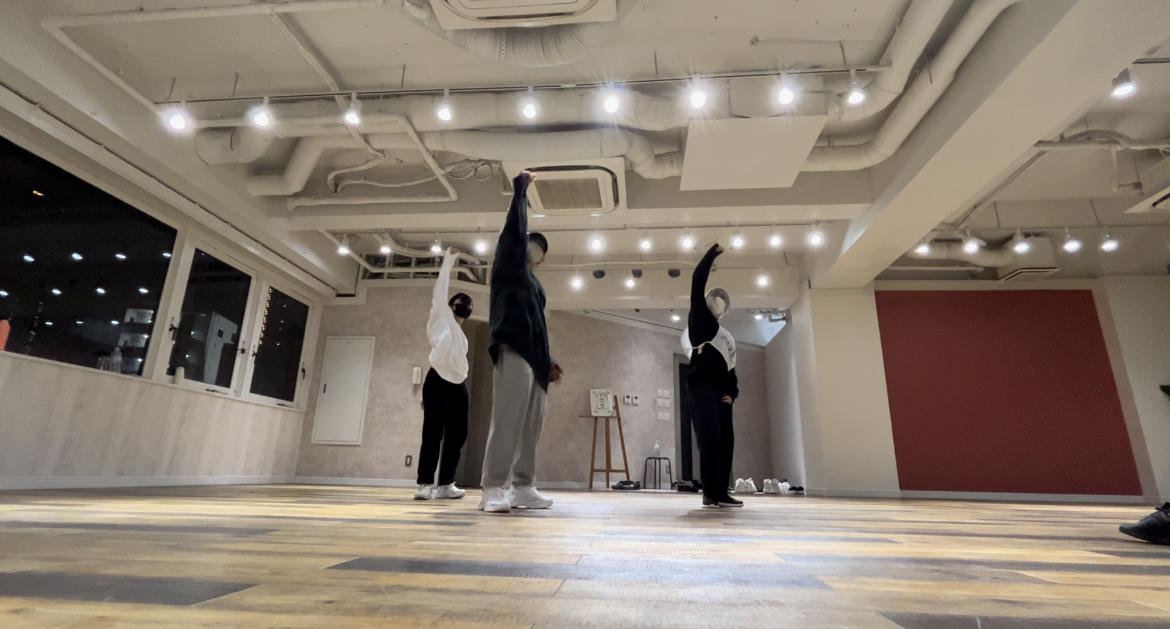









Begin your journey to strength and serenity with yoga, a practice that transforms both body and mind. It is the perfect foundation for lifelong wellness, offering a simple path to greater flexibility, calm, and vitality starting today.
Your First Steps on the Mat
The first step onto the yoga mat is a quiet commitment to yourself. The firm, familiar texture underfoot signals a shift from the chaos of the day into a space of potential. You begin to connect breath to movement, building a mindful movement practice from the ground up. Each initial pose, whether steady or shaky, lays the foundation for strength and flexibility. This is where the journey inward truly starts, a simple yet profound step toward cultivating holistic wellness and discovering the calm, powerful center within the stillness.
Setting Realistic Expectations for Your Practice
Your first steps on the mat are a mix of excitement and nerves. The unfamiliar feel of the gi, the scent of clean mats, and the bow as you enter the dojo signal a new beginning. You’re not here to be perfect, just present, learning to fall and get back up. This initial **martial arts training for beginners** is about building a foundation, where every basic stance and breath lays the groundwork for confidence and skill that extends far beyond the gym walls.
Essential Gear You Actually Need to Start
Your first steps on the mat are a powerful moment of intention. The clean scent of the studio, the firm support beneath your feet, and the collective focus signal a shift from the everyday. You begin to connect breath to movement, learning foundational yoga poses that build strength and awareness. This initial practice establishes a crucial mind-body connection, quieting mental chatter as you turn inward. It’s the start of a transformative personal journey, a single step into a world of greater calm and resilience. Embrace this beginning of your **yoga for beginners journey**.
Creating a Safe and Serene Space at Home
Your first steps on the mat mark the beginning of a transformative personal journey. The initial focus is not on complex techniques, but on foundational elements: learning to breathe correctly, finding a stable stance, and understanding basic posture. This deliberate approach builds a safe and sustainable practice. Mastering these **beginner yoga fundamentals** creates the essential framework for all future progress, ensuring you develop strength and awareness from the ground up.
Foundational Poses to Build Confidence
Foundational poses are the essential building blocks of a confident yoga practice, creating a stable base for both body and mind. By mastering postures like Mountain Pose (Tadasana) and Warrior II (Virabhadrasana II), practitioners develop physical strength, balance, and mental focus. This consistent physical practice directly reinforces self-assurance as you witness your own progress and capability. Holding these powerful shapes teaches the body resilience and the mind steady determination. Integrating these core yoga poses into your routine builds an unshakable foundation of confidence that extends far beyond the mat into daily life.
Grounding Postures: Mountain and Child’s Pose
Foundational yoga poses are your secret weapon for building unshakeable confidence. By mastering basic postures like Mountain Pose (Tadasana) and Warrior II, you develop physical stability and mental focus. This consistent practice teaches you to stand your ground, both on and off the mat, creating a powerful mind-body connection. Each time you hold a pose with steady breath, you prove to yourself that you are capable and strong. This is a key strategy for **building confidence through yoga practice**, transforming self-doubt into self-assurance from the ground up.
Building Stability with Cat-Cow and Downward Dog
In the quiet space of your practice, foundational yoga poses offer a gentle path to inner strength. Holding a steady Mountain Pose teaches grounded presence, while the resilient structure of Warrior II builds physical and mental fortitude. Each deliberate breath in these shapes quiets doubt, replacing it with a tangible sense of capability. Building confidence through yoga begins not with complexity, but with mastering these essential forms.
True confidence is built not by reaching for the extraordinary, but by finding unwavering steadiness in the ordinary.
As you consistently return to these postures, you cultivate a quiet, unshakable belief that travels far beyond the mat.
Gentle Twists and Forward Folds for Mobility
Foundational yoga poses establish physical stability, which directly translates to mental assurance. By mastering alignment in postures like Mountain Pose (Tadasana) and Warrior II, you cultivate a tangible sense of strength and presence. This consistent practice builds a reliable mind-body connection, reinforcing self-trust with each session. Building a strong yoga foundation is less about flexibility and more about developing unwavering steadiness from the ground up.
True confidence on the mat begins not with complex shapes, but with the unwavering stability of your foundational stance.
Breathing Techniques to Center Your Mind
Breathing techniques are a foundational tool for centering a scattered mind. The simple act of focusing on the rhythm of your breath creates an anchor, pulling attention away from distracting thoughts and into the present moment. A highly effective method is diaphragmatic breathing, which activates the body’s relaxation response.
Consciously extending your exhalation to be longer than your inhalation is particularly powerful for calming the nervous system.
Regular practice of these mindfulness exercises builds mental resilience, allowing you to return to a state of calm focus during daily stress, making them a cornerstone of emotional regulation.
Understanding the Power of Diaphragmatic Breath
Mastering simple breathing techniques is a powerful tool for mental clarity and stress reduction. To center your mind, begin with diaphragmatic breathing: inhale deeply through your nose, allowing your belly to expand, then exhale slowly through pursed lips. This **mindfulness practice for beginners** directly calms the nervous system. For immediate focus, try the 4-7-8 method: inhale here for 4 counts, hold for 7, and exhale for 8. Consistent practice trains your brain to access calm on demand, enhancing resilience and concentration throughout your day.
**Q: How long should I practice these techniques?**
A: Even 2-5 minutes daily can yield significant benefits. Use them as needed to reset during stressful moments.
Using Breath to Guide Movement and Release Tension
Mastering simple breathing techniques for mindfulness can effectively center a scattered mind and reduce stress. Begin by finding a quiet space and adopting a comfortable posture. Focus your attention on the natural rhythm of your breath, noticing the cool sensation of the inhale and the warmth of the exhale. To deepen the practice, try the 4-7-8 method: inhale quietly for a count of four, hold for seven, then exhale completely for eight. This conscious regulation activates the parasympathetic nervous system, promoting a state of calm awareness and mental clarity.
Crafting Your Initial Practice Routine
Begin your musical journey by establishing a consistent, structured practice routine. Dedicate specific times for focused sessions, balancing technical exercises with repertoire you enjoy. Start with a brief warm-up, then isolate challenging passages before playing through entire pieces. Remember, consistency is far more powerful than occasional marathon sessions. This disciplined approach builds muscle memory and steady progress, forming the essential foundation for all future skill development. Your commitment to this initial structure is the most critical investment you can make.
A Simple 20-Minute Sequence for Morning Energy
Crafting your initial practice routine starts with setting clear, achievable goals. Focus on consistency over duration; even fifteen focused minutes daily builds skill faster than one long, sporadic session. Begin by identifying your fundamental techniques and dedicate a small block of time to each. This **structured music practice schedule** creates a foundation without overwhelm. Remember, your first routine is a starting point—it’s meant to evolve as you do.
**Q: How long should my first practice sessions be?**
**A:** Keep them short! Aim for 15-25 minutes to maintain focus and build the habit without burnout.
A Restorative Flow for Evening Relaxation
Your initial practice routine is foundational for building sustainable musical habits. Start by defining a clear, achievable goal for each session, such as mastering a specific scale or a challenging chord transition. Dedicate a fixed time daily, even if only 15 minutes, to ensure consistency. Effective music practice schedule balances technical exercises with playing pieces you enjoy, keeping motivation high. Remember, quality of focused attention always trumps mindless repetition of duration.
How Often Should a New Practitioner Start?
Crafting your initial practice routine is the foundational step to building lasting musical skill. Begin by setting a clear, achievable goal for each session, such as mastering a specific scale or a challenging chord transition. Dedicate time to structured exercises before exploring creative play, ensuring consistent progress. This deliberate approach to **beginner music practice schedules** builds discipline and accelerates improvement from the very first day.
Navigating Common Challenges and Questions
Navigating common challenges and questions in English often comes down to embracing the messy process. Everyone grapples with tricky grammar, like when to use “who” versus “whom,” or expanding their vocabulary. A great strategy is to immerse yourself in the language through movies, books, and conversations. Don’t be afraid to make mistakes—they’re your best teachers! For those looking to improve their search engine visibility, consistently creating clear, helpful content is key. Remember, every expert was once a beginner asking the same questions you are right now.
What to Do When Poses Feel Difficult or Uncomfortable
Successfully navigating common challenges and questions in English requires a strategic approach to language acquisition. A key strategy is embracing consistent, deliberate practice to move beyond plateauing. Focus on integrating learning into daily life through media consumption and conversation, which builds authentic fluency. For persistent grammar doubts, targeted exercises are far more effective than passive study. This methodical practice is essential for achieving English language proficiency, turning obstacles into steady progress.
The Role of Props for Support and Alignment
Navigating common challenges and questions in English requires a strategic approach to language acquisition techniques. Learners often struggle with irregular verbs, nuanced prepositions, and the subtleties of idiomatic expressions. The key is consistent, contextual practice and embracing mistakes as part of the process. By actively engaging with authentic materials and seeking clarification, students build the confidence and fluency needed to overcome these hurdles and achieve true communicative competence.
Yoga Etiquette for Studio and Online Classes
Mastering English often feels like navigating a winding path. Learners grapple with common language learning obstacles, from the maze of irregular verbs to the subtle dance of prepositions. The journey involves embracing awkward conversations, decoding idioms that make no literal sense, and finding courage to speak despite the fear of error. Each stumble, however, builds resilience, turning confusion into clarity and hesitant words into fluent expression.
Exploring Different Styles to Find Your Fit
Exploring different styles is a crucial step in developing your personal or professional identity. This process involves experimentation and honest self-assessment across various aesthetics, methodologies, or communication forms. By actively sampling different approaches, you can identify which elements resonate with your core values and goals. This personal style discovery is not about fleeting trends but about building an authentic and sustainable personal brand. The journey itself provides valuable insights, ultimately leading to a cohesive and confident presentation that feels uniquely yours.
Hatha: The Classic Foundation for All Styles
Finding your personal style is a journey of intentional experimentation. Begin by analyzing your lifestyle needs and aesthetic leanings, then actively explore different fashion eras, subcultures, and contemporary trends through curated inspiration. This process of trying on various silhouettes, color palettes, and textures is essential for **developing personal style authenticity**. Pay attention to how each garment makes you feel—confidence is the ultimate indicator you’ve found a cohesive look that truly represents you.
Vinyasa: Linking Movement with Breath
Finding your authentic voice is a thrilling journey of creative exploration. Don’t be afraid to experiment wildly—immerse yourself in minimalist prose, devour epic fantasy, or try your hand at sharp, journalistic copy. Each style you attempt teaches you about rhythm, vocabulary, and your own preferences. This process of **personal style development** is essential, as you actively discard what feels unnatural and amplify what resonates. The goal isn’t to mimic, but to discover the unique blend that makes your writing powerfully and unmistakably yours.
**Q: How do I start exploring different writing styles?**
**A:** Actively read outside your comfort zone and then practice by imitating those diverse tones and structures in short, focused exercises.
Restorative and Yin for Deep Release
Finding your authentic voice is a dynamic journey of creative exploration. Delve into diverse genres, from the crisp clarity of minimalism to the rich textures of literary prose. Experiment boldly, treating each style as a tool to unlock new facets of your message. This process of personal style discovery is essential, allowing you to identify what feels most natural and impactful. The goal isn’t to mimic, but to synthesize influences into a unique expression that truly fits.
Integrating Mindfulness into Movement
Integrating mindfulness into movement transforms physical activity into a profound practice of presence. By consciously directing attention to the breath and the subtle sensations within the body during exercise, we cultivate a powerful mind-body connection. This approach elevates routine motion, whether in yoga, walking, or weight training, into a meditative act. It enhances proprioception, reduces injury risk, and deepens the neurological benefits of both focus and fitness. Ultimately, this synergy fosters a more resilient and aware state of being, making every movement an opportunity for holistic wellness and a stronger mental clarity.
Listening to Your Body’s Signals
Integrating mindfulness into movement transforms physical activity into a profound practice of presence. By consciously directing attention to the breath and bodily sensations during exercise, we cultivate a powerful mind-body connection. This approach elevates routine workouts, reducing stress and enhancing performance through focused awareness. This practice of mindful movement is a cornerstone of sustainable fitness, turning each action into an opportunity for holistic well-being and intentional living.
Letting Go of Competition and Judgment
Integrating mindfulness into movement transforms physical activity into a profound practice of presence. By consciously anchoring attention to the breath and the nuanced sensations of the body in motion, we cultivate a powerful mind-body connection. This conscious movement practice turns a simple walk or workout into a dynamic meditation, reducing stress and enhancing performance. It invites a state of flow where movement becomes both intentional and effortless, fostering greater awareness and resilience in everyday life.
Celebrating Small Victories in Your Journey
Integrating mindfulness into movement transforms physical exercise into a holistic mind-body practice. This approach involves maintaining a present-moment awareness of bodily sensations, breath, and surroundings during activities like walking, yoga, or even weightlifting. By consciously observing the rhythm of your breath or the feeling of your feet touching the ground, you anchor yourself in the now. This mindful movement practice reduces stress, enhances focus, and deepens the connection between mental and physical well-being, turning routine exercise into a form of moving meditation.