









Whoa! I know that sounds basic, but hear me out. Phantom is one of those tools that feels intuitive from first use. Really? Yes. My instinct said it would be clunky, yet the experience surprised me. Something felt off at first — the onboarding felt too polished — though actually, once I dug in the subtleties, it mostly added up.
Okay, so check this out—Phantom as a browser extension puts Solana apps at your fingertips. It connects to dapps, manages NFTs, and signs transactions without making you copy-paste seed phrases into random web forms. That’s the core appeal: convenience without the constant context switching. That convenience matters, and it matters a lot when you want to move quickly in DeFi or mint an NFT before the drop sells out.
Here’s the thing. Extensions are powerful, and that power carries risk. Shortcuts that save time can also shortcut security. I’m biased, but I prefer making a mental checklist before installing any crypto extension. First impressions can be deceptive. Initially I thought installing from any search result was fine, but then I realized that official channels matter more than ever.
Some practical notes. Use official stores when possible. Verify the publisher. Compare the extension ID if you can. If somethin’ feels off — like a weird permission request — pause. Seriously? Yes. Permits to “read and change all website data” on unrelated pages should raise flags. Trust but verify.
Where to Get the Extension (and a link you can use)
If you want a starting point, you can check this page: https://sites.google.com/cryptowalletextensionus.com/phantomwalletdownloadextension/. It helped me locate a build during a testing session, though I still cross-checked against the official Phantom channels. Do that too. Downloading from third-party mirrors can be okay for research, but only when you verify checksums or compare source metadata.
Installation is typically quick. Medium-level users will breeze through. Newcomers should pause on seed phrase steps. Write seeds down on paper. Not on a cloud note that syncs everywhere. Not in an email draft. Keep it offline when you can. This is common sense, but people skip it. This part bugs me — very very often.
Okay—some specifics about permissions and how Phantom behaves. The extension injects a window.solana object into web pages, which dapps use to request connection and signatures. On the one hand, it makes dapp integration seamless. On the other, any malicious page could try to trick you into signing something you shouldn’t. So, inspect the request and the data. Not every signature is a simple “approve spend” call. Sometimes transactions include arbitrary instructions; read them. I’m not 100% sure everyone will, but try.
Security practices that helped me: lock the wallet when inactive, remove unused connected sites, and use hardware wallet integrations when handling large sums. Pro tip: connect hardware only for high-value transactions. For small swaps, the extension alone is fine. On balance, the extension strikes a pragmatic compromise between usability and security for everyday DeFi activity.
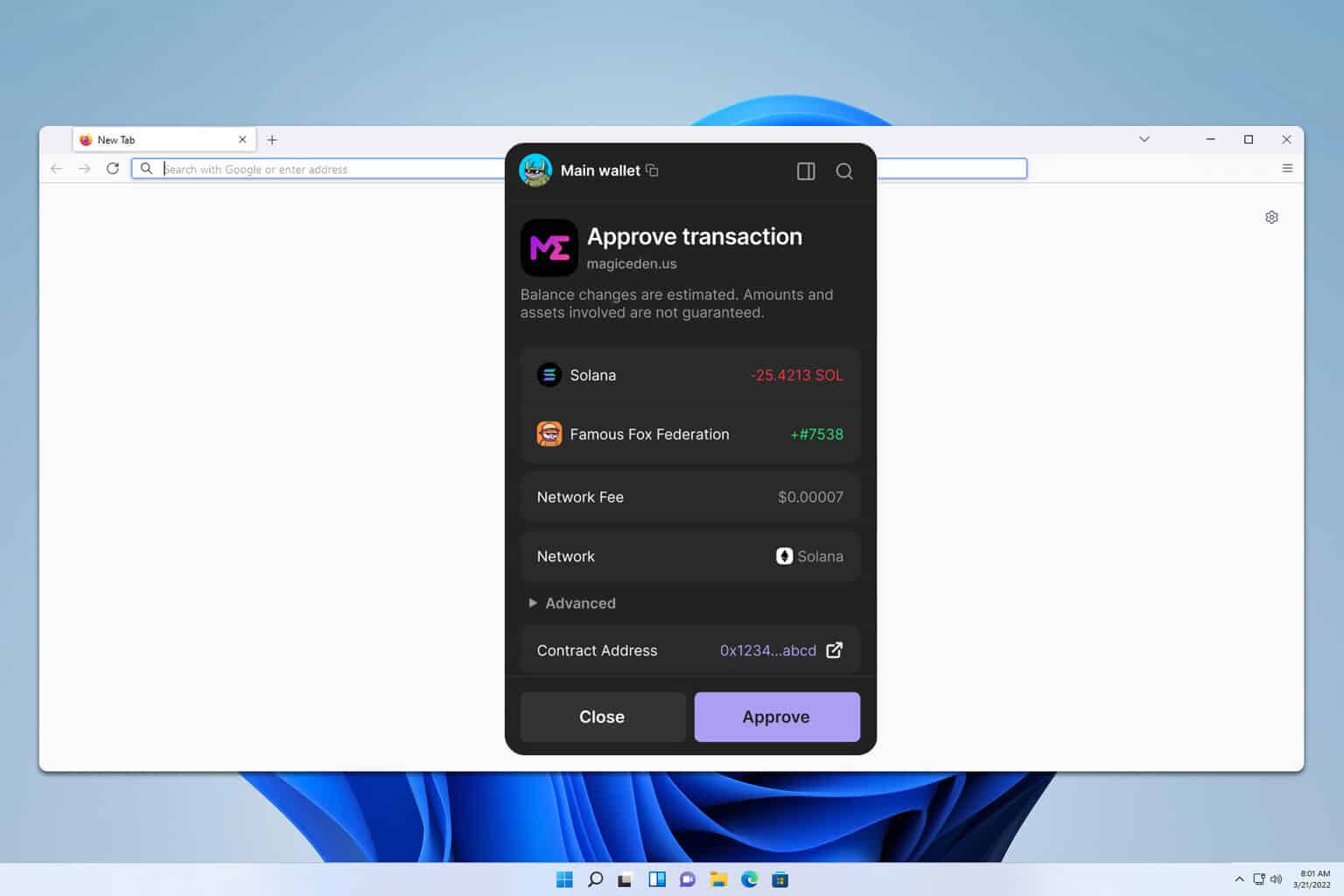
Now a few UX things that stood out. Phantom’s UI favors clarity. The transaction modal shows fees and estimated time. The NFT tab organizes collectibles neatly, though sometimes metadata loads slowly. (Oh, and by the way…) the mobile pairing feature is handy when you want to approve actions from your phone without exposing seed phrases on a laptop. That came as a pleasant surprise during testing.
There are trade-offs. Browser extensions live in a hostile environment; you can’t fully isolate them like you can a cold wallet. On the other hand, the speed gains for interacting with Serum, Raydium, or other Solana projects are real. If you’re an active user, those speed gains translate into lower slippage and fewer failed transactions, which actually saves money over time.
Hmm… governance and decentralization are other angles. Phantom supports token interactions and staking, but it’s still a client-side tool. It doesn’t custody funds for you, which is crucial. That said, the extension’s design choices — like the permission prompts — shape user behavior. I noticed that prompts are intentionally clear, which nudges users toward safer decisions. That nudge matters more than you might think.
One caveat: extensions can be impersonated. Copycats exist. Use community resources and the project’s official channels to confirm the correct download link. If you find a mirror or archived version, do your homework. Check signatures. Ask in community forums. And if you ever get a popup demanding your seed phrase, close your browser and breathe. Don’t type it anywhere.
Alright, a quick walkthrough for a typical flow. Create a new wallet, write down the seed, set a password, then connect to a dapp and approve a small transaction. See the balance update. If you plan to stake or interact with complex contracts, start with minimal funds. Learn the flows. Mistakes at the start are cheap lessons. After a few sessions you’ll be comfortable enough to scale up.
I’m not glossing over downsides. Browser crashes, extension bugs, and deceptive dapps can all cause grief. But the ecosystem is maturing fast. Phantom actively patches issues and releases features. That active development makes me feel more confident than a year ago. Still, always keep a recovery plan. You will thank yourself later when something goes sideways and you can restore from seed.
Common Questions
Is the Phantom extension safe?
No tool is 100% safe. Phantom is widely used and has a decent track record, but safety depends on your practices. Use official sources, lock your wallet, and avoid typing seeds into websites.
Can I use a hardware wallet with Phantom?
Yes. Phantom supports hardware integrations for larger transactions. It adds a layer of security by keeping private keys offline, which I recommend for sizable holdings.
What if I installed a fake extension?
Immediately remove it, revoke permissions, change passwords, and move any remaining funds using a clean device. Then restore from your legitimate seed on a verified extension or hardware wallet.